
Most small businesses do not have a lead problem. They have a system problem.
If your website gets some traffic, your social pages are active off and on, and referrals still bring in a few calls, the issue usually is not visibility alone. The issue is that your marketing is not built to consistently turn attention into inquiries. This small business lead generation guide is built for owners who want a practical way to create a steadier pipeline without adding more busywork.
Lead generation is not one tactic. It is the combined effect of being found, being trusted, and making it easy for the right person to take the next step. For local businesses especially, those three pieces matter more than chasing every new platform or trend.
What lead generation actually means for a small business
For a local service business, a lead is usually a phone call, form submission, quote request, consultation booking, or direct message from someone who may buy. That sounds simple, but many businesses treat every inquiry the same when they should not.
A good lead generation system attracts people who are already close to a buying decision. A poor one brings in traffic that looks nice on a report but does little for revenue. More visitors are helpful only if those visitors are relevant and your site gives them a clear reason to act.
That is why strong lead generation starts with intent. Someone searching for “emergency plumber near me” is very different from someone casually browsing home repair tips. One may convert today. The other may never call. Your marketing should be built around the first person while still creating long-term visibility with the second.
The small business lead generation guide starts with traffic quality
A lot of owners assume they need more marketing channels. In reality, they often need better alignment between channel, message, and offer.
Search traffic is often the highest intent source because people are actively looking for help. Local SEO, service pages, Google Business Profile activity, and location-based content all support that. Social media can help with awareness and trust, but for many small businesses it works best as a supporting channel unless you have a highly visual or highly shareable offer.
Paid ads can produce leads faster, but they also expose weak messaging very quickly. If your landing page is unclear, your offer is generic, or your follow-up is slow, paid traffic just helps you waste money faster. Organic strategies usually take longer, but they create compounding value when done consistently.
The trade-off is speed versus durability. Ads can create immediate activity. SEO and content can create a more stable lead flow over time. Most small businesses benefit from a mix, but if your foundation is weak, adding more channels will not fix it.
Start with the channels your customers already use
A roofing company, med spa, law firm, or home services business should not copy the marketing mix of an ecommerce brand. The right question is not “What is everyone doing?” It is “Where do our best customers already look when they need this service?”
For many local businesses, the answer is search first, reviews second, website third, and social proof throughout. That means your lead generation strategy should prioritize visibility in search, a credible website experience, and clear proof that real customers trust you.
Your website should convert, not just exist
Many small business websites are built like brochures. They explain the business, list a few services, and include a contact page. That is not enough.
A lead-generating website needs to answer four questions fast: what you do, who you help, where you work, and how to get started. If visitors have to hunt for this information, many will leave. That is especially true on mobile, where most local searches happen.
Strong service pages matter more than most businesses realize. Each core service should have its own focused page with clear copy, service area relevance, trust signals, and a direct call to action. If you try to force every service into one vague page, rankings and conversions usually both suffer.
Trust signals also carry more weight than design trends. Reviews, testimonials, before-and-after results, certifications, FAQs, and clear business information reduce hesitation. A polished site helps, but clarity beats flashy design every time.
Small conversion fixes often create bigger gains than more traffic
Before you spend more on promotion, look at the path people take once they land on your site. Is your phone number easy to tap? Is your form short enough to finish? Are your calls to action specific? Does each page tell visitors what to do next?
Sometimes the biggest lead generation gain comes from replacing a weak button like “Learn More” with a direct message like “Request a Quote” or “Schedule Your Estimate.” Sometimes it comes from improving page speed or removing unnecessary form fields. Small changes matter because they reduce friction at the exact point where intent is highest.
Content should answer buying questions, not fill a calendar
Content works when it helps buyers move closer to a decision. It does not work just because it exists.
This is where many businesses lose momentum. They publish random blog posts, inconsistent social updates, or generic website copy that does little to support search visibility or conversions. A better approach is to build content around the questions people ask before they contact you.
Think about the questions your team hears every week. How much does it cost? How long does it take? What is included? Do you serve my area? Which option is best for my situation? Those are lead generation topics because they sit close to purchase intent.
A useful small business lead generation guide has to stress consistency here. One good article or one updated service page can help. A structured publishing plan does much more. Over time, consistent content strengthens rankings, supports internal page relevance, gives social channels better material, and creates more entry points into your site.
For busy owners, this is often where execution breaks down. The strategy is not the issue. Time is. That is why hands-free content planning, writing, publishing, and optimization can make such a difference when internal capacity is limited.
Local SEO is one of the highest-value lead sources
If you serve a defined geographic area, local SEO should be central to your lead generation plan.
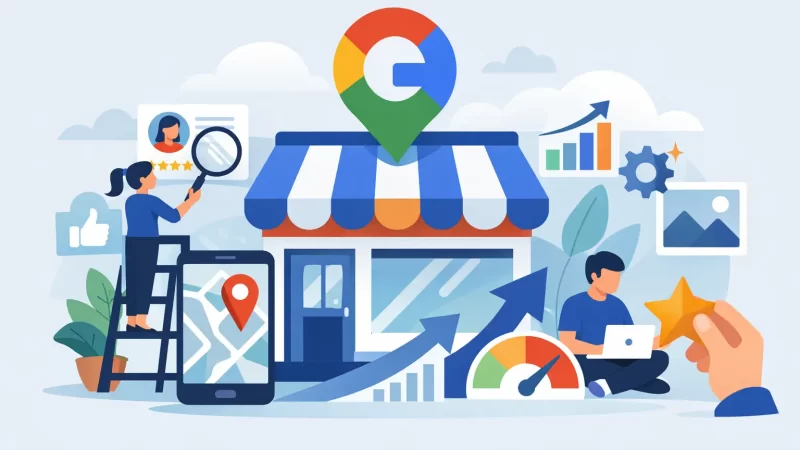
That includes your Google Business Profile, location signals across your site, review generation, consistent business information, and content tied to your service areas. It also includes technical basics like site speed, mobile usability, indexable pages, and clean page structure. None of this is glamorous, but it directly affects whether people find you when they are ready to buy.
Local SEO also tends to reward consistency more than one-time effort. A profile that is updated, a website that keeps adding relevant pages, and a business that regularly earns reviews usually performs better than one that was optimized once and then ignored.
For Georgia businesses in competitive local markets, this matters even more. If several companies offer similar services, the one that appears credible, current, and visible across search touchpoints usually wins the lead.
Follow-up speed can make or break your results
Generating leads is only half the job. Converting them depends heavily on what happens next.
Many businesses invest in SEO, content, and social media but still lose opportunities because responses are slow or inconsistent. If someone fills out a form and waits a day for a reply, your marketing may have done its job while your process undid it.
Fast follow-up matters because buying intent fades. A solid system includes prompt responses, clear next steps, and a simple intake process. If possible, route leads by service, location, or urgency so they reach the right person faster.
This is also where lead quality feedback becomes valuable. If your sales team says certain pages bring in weak leads while others generate high-value calls, use that information. Good lead generation improves through real conversion data, not guesswork.
Build a system you can actually sustain
The best lead generation strategy is not the most complicated one. It is the one you can maintain long enough to see momentum.
For most small businesses, that means a focused website, clear service pages, local SEO, consistent content, visible trust signals, and a fast response process. You may add paid ads or more aggressive campaigns later, but those basics should come first.
At GlowNest Media, we see this pattern often: businesses do not need more disconnected marketing. They need a simpler system with clear execution and clear results. When research, content, technical optimization, publishing, and performance are managed together, lead generation becomes much easier to scale.
If your current marketing feels scattered, start by tightening the journey from search to click to contact. The businesses that grow steadily are rarely doing everything. They are doing the right things consistently, and making it easy for the right customer to say yes.